
Today’s world is undergoing profound transformation. From climate change and future cities to biodiversity protection and technological advancement, an increasing number of real-world challenges are shaping how people learn, live and prepare for the future. Issues once discussed primarily by international organisations, governments and corporations are now directly influencing the lives and futures of individuals around the world.
The United Nations Sustainable Development Goals (SDGs) represent one of the most important global development frameworks of our time. As future leaders and changemakers, young people will play a defining role in advancing the SDGs. Their level of global awareness, understanding and competency will significantly influence the pace and direction of sustainable development in the years ahead.
At UNGLEP, we believe that SDG education should extend beyond knowledge acquisition. It should build meaningful connections between theory and practice, between individual perspectives and global challenges, and between learning and action. Our aim is to help young people develop a deeper understanding of the SDGs, strengthen their ability to analyse and address real-world issues, and grow into active contributors to sustainable development.
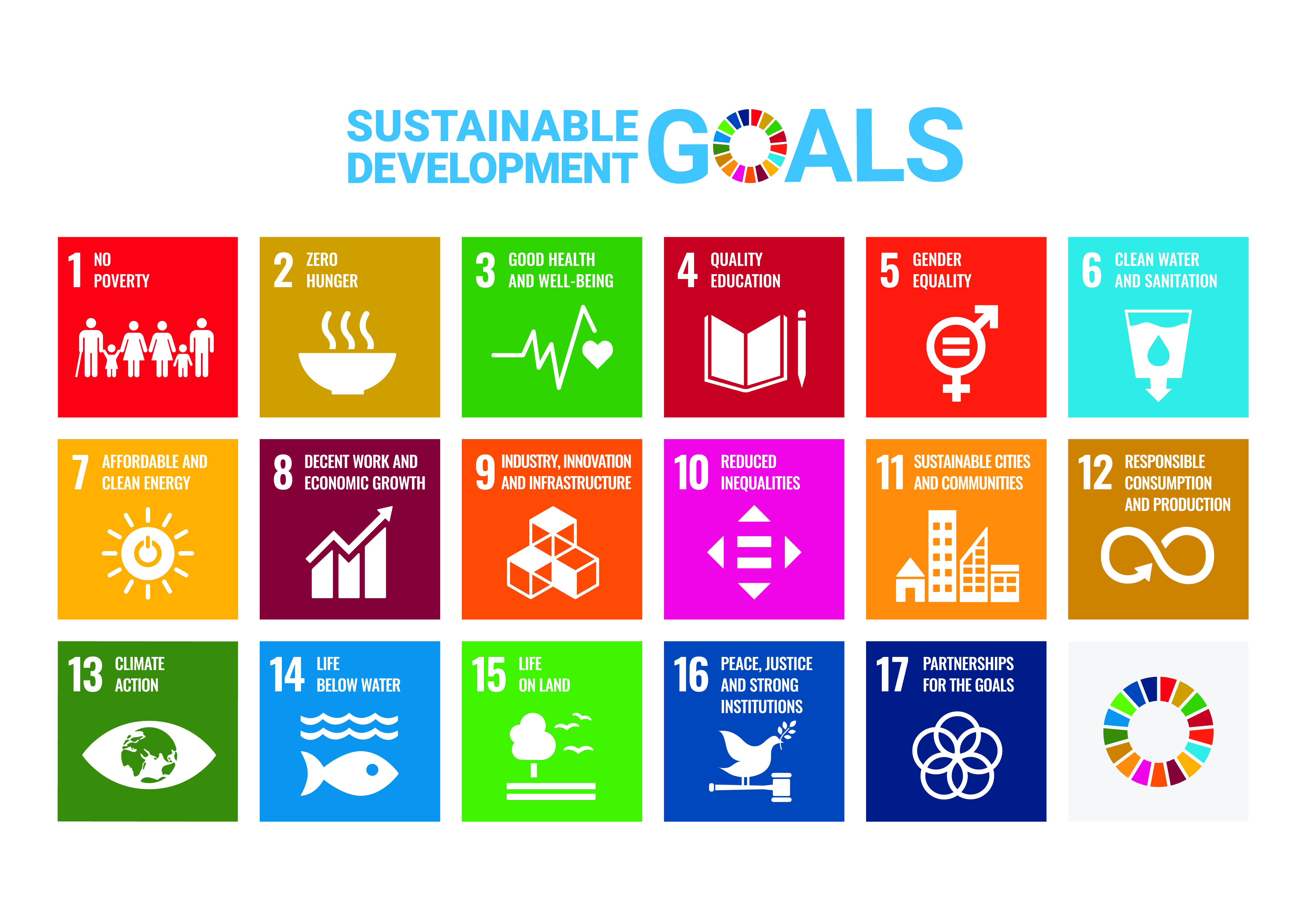
The SDG Youth Competency Certification Programme is built around the 17 United Nations Sustainable Development Goals (SDGs) and offers thematic learning and certification pathways across a range of global topics. The programme aims to help young people develop a more structured understanding of the real world and build stronger awareness of the future from an earlier stage.
Each topic is delivered as an independent thematic course and may be joined separately.
Current Topics
Topic 1: SDG14/15 Biodiversity and the Future of Ecosystems
Why are more and more species disappearing from the Earth?
Ocean pollution, deforestation, coral bleaching and species extinction are reshaping the planet’s ecosystems. Why are certain species disappearing at such a rapid pace? How does marine biodiversity affect humanity’s future? Why are governments and societies rethinking the relationship between people and nature?
From plastic pollution and rainforest loss to marine ecosystems and endangered species, human activity is transforming the Earth’s ecological systems at an unprecedented rate. What environmental changes may emerge over the coming decades, and how will humanity respond to the biodiversity crisis?
This topic explores global biodiversity trends, marine and forest ecosystems, ecological change driven by human activity, international conservation cases, and how young people can better understand future environmental challenges.
Topic 2: SDG13 Climate Change and the Future Planet
Why is the Earth becoming increasingly extreme?
Extreme heat, flooding, wildfires, melting glaciers and energy crises are reshaping the global environment. Why are global temperatures continuing to rise? How does climate change affect food systems, energy and the oceans? Why has the AI era made energy issues even more significant?
From carbon emissions and energy transition to extreme weather and global resource pressures, human society is transforming the Earth’s systems at an unprecedented scale. What environmental changes may unfold in the coming decades, and how will humanity face future climate challenges?
This topic explores global climate trends, extreme weather and planetary systems, energy and future society, the relationship between AI, technology and energy, and how young people can better understand environmental change.
Topic 3: SDG11 Sustainable Cities and Future Communities
What kind of cities will people live in in the future?
Autonomous vehicles, smart communities, future transport systems and vertical cities are redefining how people live. Why are future cities placing greater emphasis on public spaces and green communities? How will AI reshape the way cities operate? Why are governments and urban planners rethinking the relationship between people and cities?
From smart infrastructure and future mobility to urban regeneration and green architecture, cities are being redesigned for the future. What will urban life look like in the coming decades, and how will technology, AI and sustainability reshape future communities?
This topic explores global future city case studies, AI and smart city development, future transport and lifestyle changes, community and public space design, and how young people can better understand future urban trends.
Duration: Each topic runs for 3 weeks and includes 4 live online sessions and 1 online thematic seminar.
Format: The programme is delivered fully online and is open to participants globally. Session recordings will be available.
Outcomes: Upon completion, participants will receive:
-
SDG Youth Competency Certification
-
SDG Topic Analysis Portfolio
-
SDGs conceptual framework and global issue awareness
-
Enhanced global analysis and communication skills
Recommended Age: Open to young people aged 11 and above.
The SDG Youth Competency Certification Programme offers young people a range of long-term developmental benefits:
-
Develop a structured understanding of the origins, principles and global significance of the United Nations Sustainable Development Goals, while building deeper awareness of contemporary global challenges and sustainable development issues;
-
Cultivate global perspectives, civic awareness and a stronger sense of responsibility as future global citizens, laying important foundations for future education pathways and long-term personal development;
-
Receive an official SDG competency certification issued by UNGLEP, with verifiable credentials and recognised institutional credibility;
-
Outstanding project work may be featured on official UNGLEP platforms, enriching participants’ social practice portfolios and contributing meaningful evidence of personal growth and global engagement.