
AI-Driven Innovative ClimateFinance and Equitable Digital Transformation Successfully Convened During theUnited Nations AI for Good Global Summit, Geneva
--- Multiple climate digital assetinfrastructure solutions unveiled; WCFDAC multilateral cooperation frameworksigned Geneva, Switzerland – 6–7 July 2026
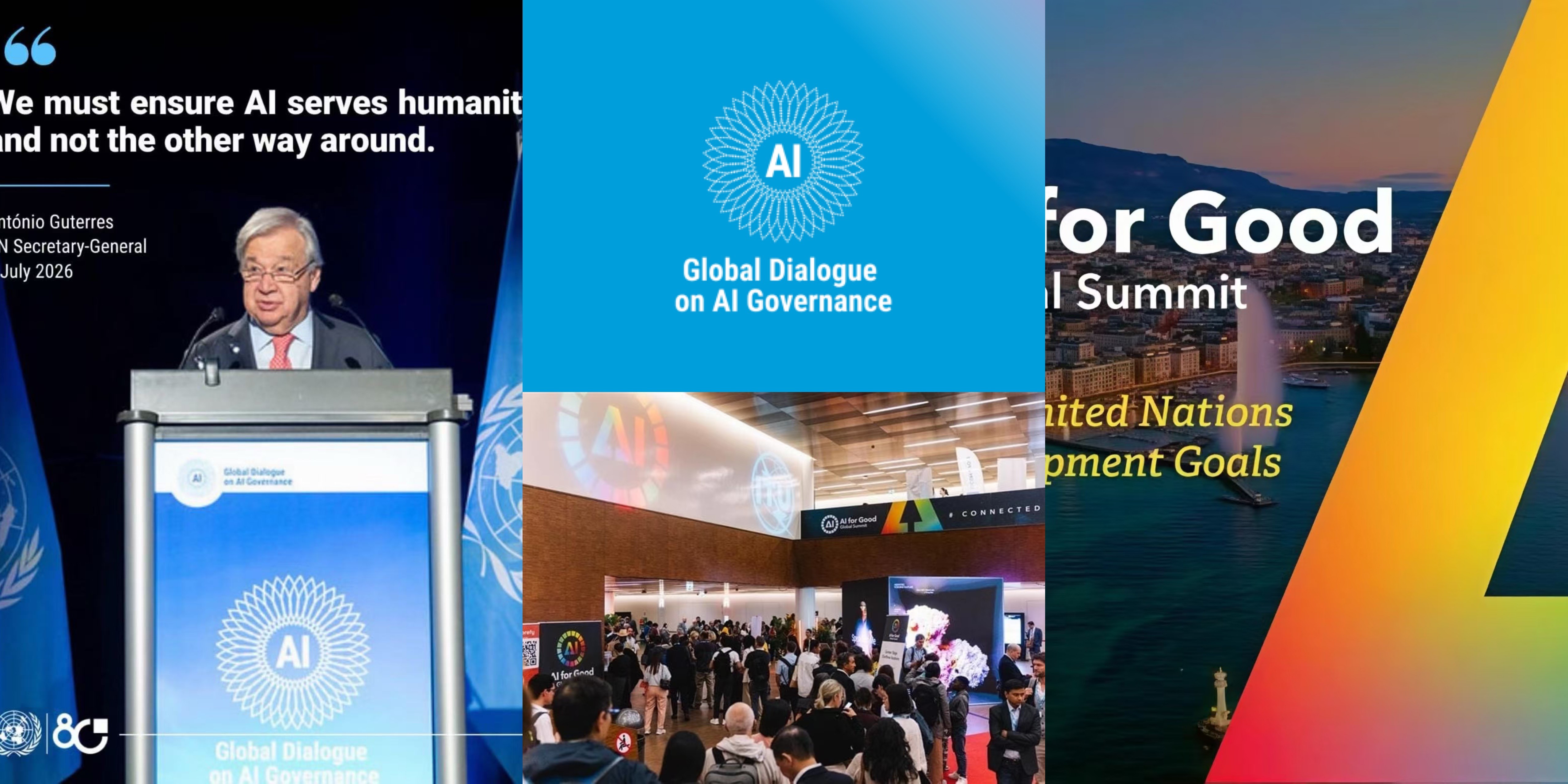
I. Strategic Background: Two Core UNPlatforms Forge an Integrated System for Digital Governance and Climate Action
2026marks the 20th anniversary of the World Summit on the Information Society(WSIS), alongside a comprehensive UN institutional review of WSIS’s two decadesof progress. As a pivotal multilateral mechanism coordinating global digitalgovernance, implementing the Global Digital Compact and advancing the 17 UN SustainableDevelopment Goals (SDGs), WSIS establishes a multi-stakeholder cooperationframework uniting governments, international organizations, industrial playersand civil society. It upholds people-centred development, strives to bridge thedigital divide, and advocates technology-driven equitable and sustainablegrowth.
Runningconcurrently, the UN AI for Good Global Summit is co-organised by theInternational Telecommunication Union (ITU) and 53 UN agencies. It serves asthe UN’s highest-level dialogue platform for AI regulatory governance, digitalinclusion and sustainable technological applications, acting as a core hub tointegrate digital technology, climate action and inclusive green finance. Thesimultaneous hosting of these two landmark UN events creates an enablingplatform for exchanges and practical delivery on global climate digitalisationand green financial innovation.
Againstthis backdrop, an official series of side events themed AI-EnabledInnovative Climate Finance and Equitable Digital Transformation wasco-hosted by the United Nations Global Leadership & ESG Programme (UNGLEP),Global SDGs & Leadership Development Center (GSLDC), UAE 2031 GlobalStrategic Partnership Center (GSP) and the Office of Sheikh Hamad, with supportfrom the Social Impact Investment Foundation (SIIF) and Global EcosystemSustainable Development Union (GESDU). Held at ITU Headquarters and the UNPalais des Nations in Geneva from 6 to 7 July, this official side event of theAI for Good Summit brought together government dignitaries, senior UNofficials, sovereign investment institutions, multinational corporations anddigital industry representatives. Through keynote addresses, outcome launches,multilateral agreement signing, high-level roundtables and closed-door meetings,a series of actionable and replicable digital climate finance deliverables wereproduced, with a core focus on addressing equitable financing for greentransition in developing countries.
II. Core Side Event: AddressingGlobal Climate Financing Pain Points, Building Industry Consensus and LaunchingFive Flagship Infrastructure Initiatives
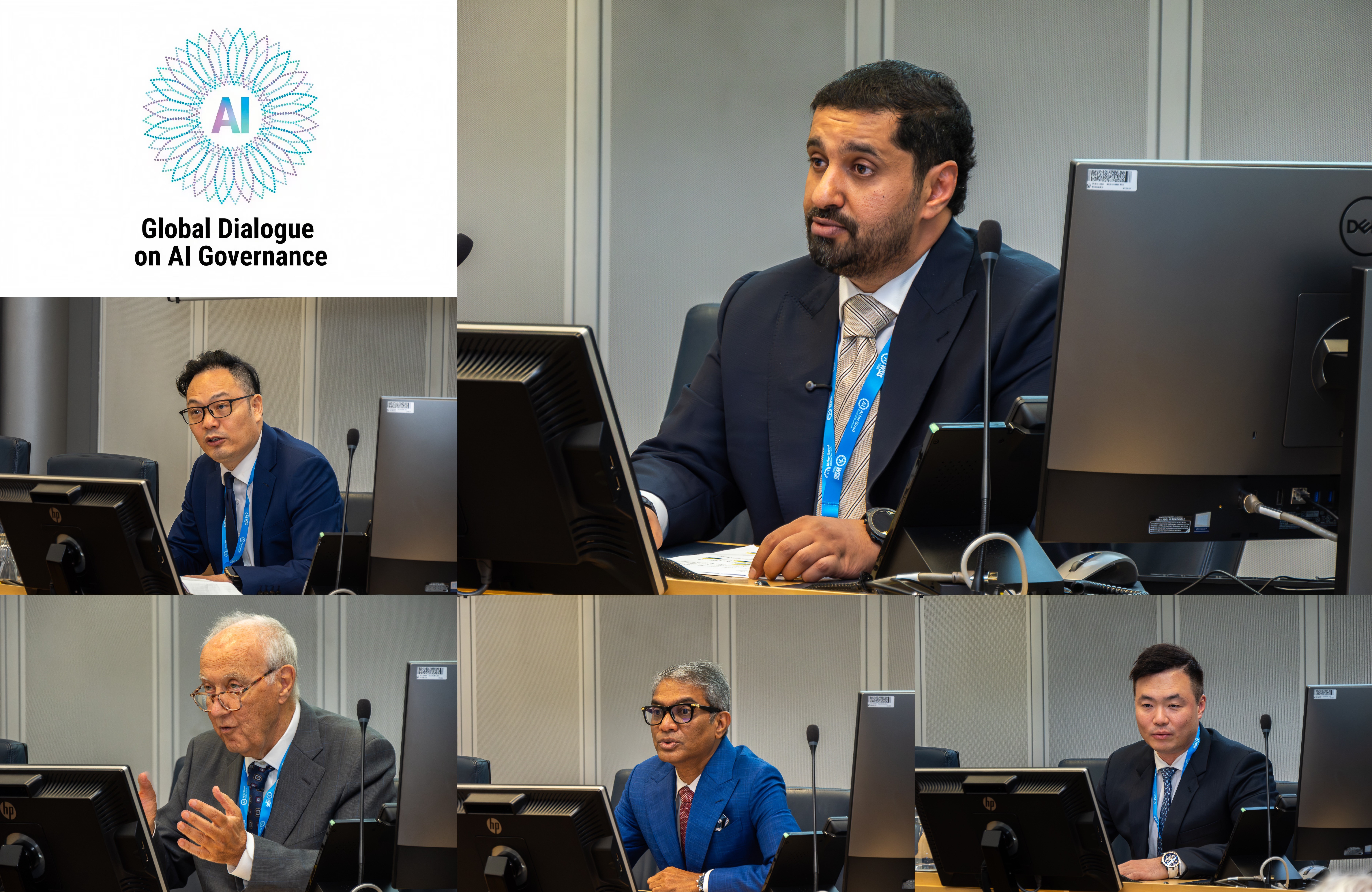
The flagship side event kicked off on 6 July underthe theme AI-Driven Innovative Climate Finance: Closing the Global ClimateInvestment Gap Through Inclusive, Digitally Equitable Just Transition.Aligned with four core WSIS priorities – inclusive digital finance, AI ethicalgovernance, sustainable ICT deployment and multi-stakeholder collaboration –the event echoes the AI for Good Summit’s mission to leverage trustworthyartificial intelligence to advance climate sustainability. In-depth discussionscentred on systemic climate financing gaps, standardisation of climate digitalassets and equity in the global green transition.
(1) Opening Address: StructuralBottlenecks in Global Climate Finance and Three Systematic Solutions
Dr.Xiang Luo, Chair of the UNGLEP Steering Committee, delivered opening remarks onbehalf of all co-organisers, outlining three structural challenges plaguingglobal climate investment:
1. Less than 20% of global green climate assets maintain adequateliquidity;
2. International carbon trading markets are highly fragmented andlack transparency;
3. Existing carbon regulatory regimes rely primarily on punitiverestrictions, failing to mobilise large-scale market-based climate investment.Developing countries lack standardised digital channels to circulate ecologicalcarbon rights, making it difficult to translate ecological value into tangibleeconomic gains.
Toaddress these challenges, Dr. Luo put forward three systematic solutions forglobal multilateral stakeholders:
1. Restructure global carbon markets from punitive frameworks toincentive-oriented models to mobilise sovereign and private capital for climatetransition;
2. Deploy AI and blockchain to establish full-cycle mechanisms forclimate digital asset entitlement confirmation, standardised workflows andtransparent transaction verification, fundamentally resolving asset liquiditybottlenecks;
3. Build full-value-chain digital ESG certification systems forhigh-value, high-circulation and high-emission commodity industries, andfacilitate cross-border circulation of global ecological climate value throughthe green upgrading of bulk commodity supply chains.
(2) Keynote Presentations: GlobalInstitutional and Industry Representatives Discuss Equitable Green DigitalTransition Pathways
Representativesfrom multiple governments and international organisations shared practicalexperience and cross-border cooperation frameworks during keynote speeches:
1. Sheikh Hamad of the UAE elaborated on plans for sovereign greendigital infrastructure and Dubai’s development roadmap as a trusted hub forclimate digital assets, proposing Dubai’s positioning as a global strategiccentre for climate digital assets and innovative climate finance.
2. Dr. Francis Gurry, former Director General of the WorldIntellectual Property Organization (WIPO), illustrated the value of multi-partycollaboration among governments, multilateral financial institutions andpublic-private partners from the perspectives of green intellectual propertyprotection and harmonised international digital asset rules.
3. Mr. Walid Matarassi from the ITU explained implementation pathwaysfor AI-powered standardised climate finance, drawing on ITU AI standards anddigital MRV (Monitoring, Reporting, Verification) monitoring systems.
4. H.E. Mohamed Ali Jana, Chief Trade & Investment Advisor to thePresident of the Maldives, called for low-burden, inclusive cross-borderclimate financing mechanisms tailored to the developmental needs ofclimate-vulnerable small island developing states.
5. Mr. Jenson Zheng, Global Chair of the UAE 2031 GlobalStrategic Partnership Center, outlined cross-border cooperation layouts forgreen digital assets under the UAE 2031 National Strategy and proposed apermanent multilateral collaboration framework to drive global green digitaltransformation.
(3) Launch of Five FlagshipClimate Finance Digital Infrastructure Initiatives to Improve Practical GreenDigital Finance Systems
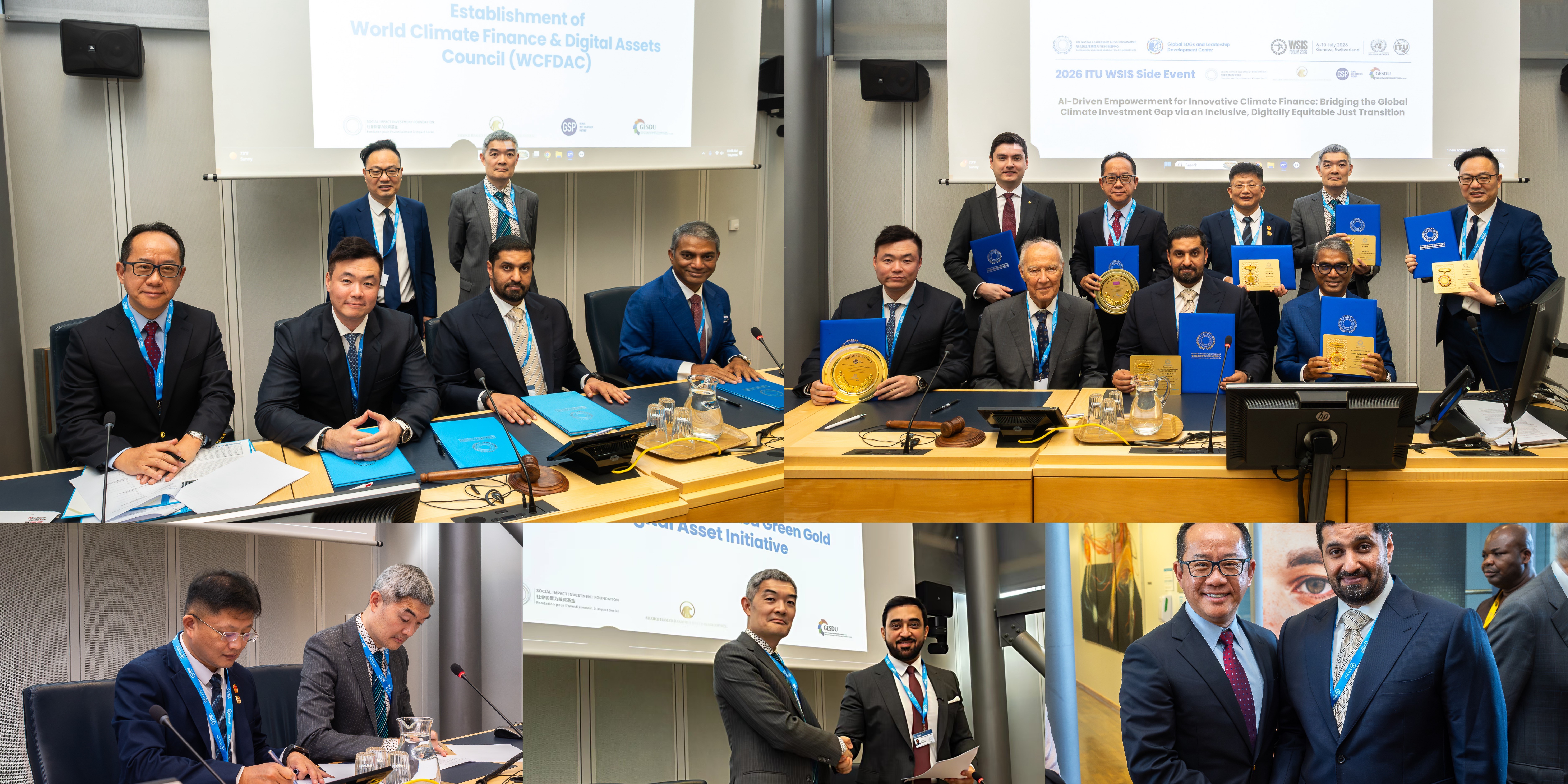
Followingkeynote presentations, five pioneering global green digital infrastructureprojects were officially unveiled. A permanent multilateral cooperationmechanism, green asset issuance pipeline and cross-border carbon projectdemonstration were simultaneously activated, alongside the 2026 InnovativeClimate Finance Awards Ceremony. All outcomes align with UN SDG 8 (Decent Workand Economic Growth), SDG 10 (Reduced Inequalities), SDG 13 (Climate Action)and SDG 17 (Partnerships for the Goals), targeting uneven climate financing,poor circulation of green assets and excessive transition costs:
1. OfficialEstablishment of the World Climate Finance & Digital Asset Council (WCFDAC) Operating under theimplementation framework of the Paris Agreement, WCFDAC integrates UNmultilateral policy resources, Middle Eastern sovereign cooperation channels,UAE royal institutional credibility, cross-border capital and digital exchangeplatforms. As a permanent global cross-border compliance coordination body, itwill formulate unified standards for trusted climate digital assets and theircirculation, and channel sovereign and private capital toward equitable greentransition projects in developing countries at scale.
2. OfficialLaunch of ClimateEX Climate & Energy Digital Asset Trading Platform Licensed andregulated in the UAE, ClimateEX was jointly developed with technical supportfrom UNGLEP and the UAE 2031 Global Strategic Partnership Center under theFramework Agreement for Global Innovative Climate Finance & Digital AssetStrategic Partnerships. Its trading rules and carbon credit standards fullycomply with Article 6 of the Paris Agreement. The platform aims to breakcirculation barriers for fragmented green assets, unlock latent ecologicalvalue and build a highly liquid, transparent global climate digital tradingecosystem.
3. Global Debutof Metra Gold (GOLDM) Sovereign-Backed Green Gold Digital Asset Compliant with UAEvirtual asset regulatory frameworks, this product is the world’s first digitalhard currency fully collateralised 1:1 by physical gold, with underlying assetscovered by full-value-chain ESG carbon neutrality certifications andthird-party fiduciary oversight throughout the audit process. It delivers astable value anchor and settlement instrument for cross-border climateinvestment, reduces settlement friction in traditional green finance anddiversifies global climate financial product portfolios.
4. Rollout of theGlobal Green Value Infrastructure (GGVI) & Green Gold Chain (GGT) RightConfirmation Framework This decentralised underlying technical architecture forgreen assets enables full-lifecycle traceability, standardised MRV verificationand cross-border circulation for precious metals, zero-carbon carbon creditsand clean energy assets. The framework eliminates regional pricing barriers,quantifies and facilitates the circulation of green asset value, and empowersdeveloping countries to share gains from green transition.
5. Signing of theDigital Carbon Credit Underwriting Project for Indonesian Peatland Restoration Partnering withSingaporean carbon asset institutions, ClimateEX undertakes a peatlandrestoration project covering 35,644 hectares in Indonesia. The project’sguaranteed annual Verified Carbon Units (VCUs) of 2.01 million from 2025 to2034 will be exclusively converted into standardised trusted digital assets forglobal distribution. Smart contracts eliminate unnecessary intermediaries,channelling international capital directly to local communities andestablishing an inclusive climate finance model that avoids increasing publicdebt burdens in developing nations and prioritises retention of communityrevenues.
Theconcurrent 2026 Innovative Climate Finance Awards recognised individuals andinstitutions delivering tangible projects in climate financial innovation,green digital transformation and inclusive multilateral collaboration,fostering consensus on sustainable industrial development. Award categoriesincluded Outstanding Climate Finance Leader, Distinguished Contributing Institutionand Outstanding Multilateral Cooperation Achievement.
(4) High-Level Roundtable Discussion: Three Core Themesto Advance Multilateral Coordination
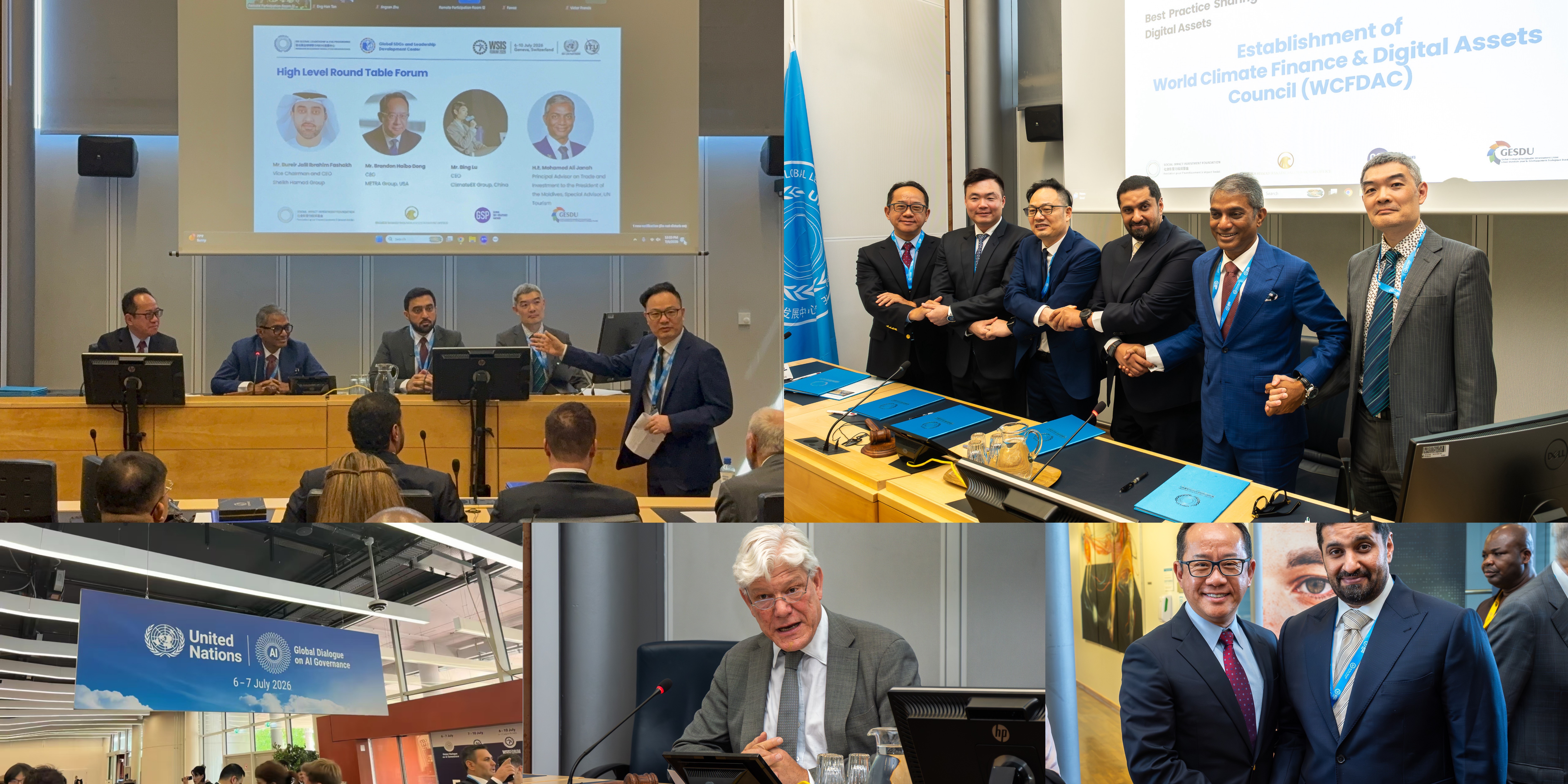
Moderatedby Dr. Xiang Luo, the roundtable gathered Mr. Brel, Vice Chairman & CEO of SheikhHamad Group; H.E. Mohamed Ali Jana, Presidential Trade & Investment Advisorof the Maldives; Mr. Haibo Dong, CEO of METRO Group; and Mr. Bing Lu, CEO ofClimateEX Group. Participants exchanged insights on three actionable themes:
1. How to leverage innovative climate financeand digital asset tools to narrow climate financing gaps and resolve liquidityconstraints for green assets in developing countries;
2. How artificial intelligence can addressfragmentation in global carbon markets and cross-border transaction barriers;
3. How standardised AI and digital assetframeworks can strengthen coordination among the UN, national governments andmarket entities to boost implementation efficiency of global climategovernance.
(5) Closing Remarks by FormerUN Deputy Secretary-General: Three Guiding Global Cooperation Consensus Points
Mr.Fabrizio Hochschild Drummond, Former UN Deputy Secretary-General and SpecialAdviser to the UN Secretary-General on Digital and Emerging Technologies,delivered closing remarks and outlined three actionable guiding consensuspoints to chart the roadmap for global climate digitalisation:
1. Faced with interconnected global risks and interdependent nationaldevelopment pathways, climate crises cannot be resolved through standalonetechnologies or financial instruments alone. Trusted, inclusive and sustainablelong-term multilateral cooperation frameworks are essential to ensure digitalinnovation serves the shared sustainable future of all humanity.
2. This event delivered two landmark institutional milestones: thefounding of WCFDAC as a multilateral coordination council and a completeimplementation roadmap for global green digital financial infrastructure.Together, they establish a permanent institutional bridge for standardisedcross-border green asset circulation and digitalised climate finance.
3. All digital financial innovations, AI applications and globalclimate initiatives must centre on the core demands of developing countries andclimate-vulnerable regions. Digital transformation exists to narrow, not widen,global development gaps, and all innovations must deliver quantifiable,tangible outcomes for equitable transition. The multilateral consensus forgedat this event will be translated into long-term operational action to advance theUN 2030 Sustainable Development Agenda.
III. Closed-Door High-LevelMeetings with ITU and UNOG: Negotiating a Permanent Climate Finance PartnershipFramework
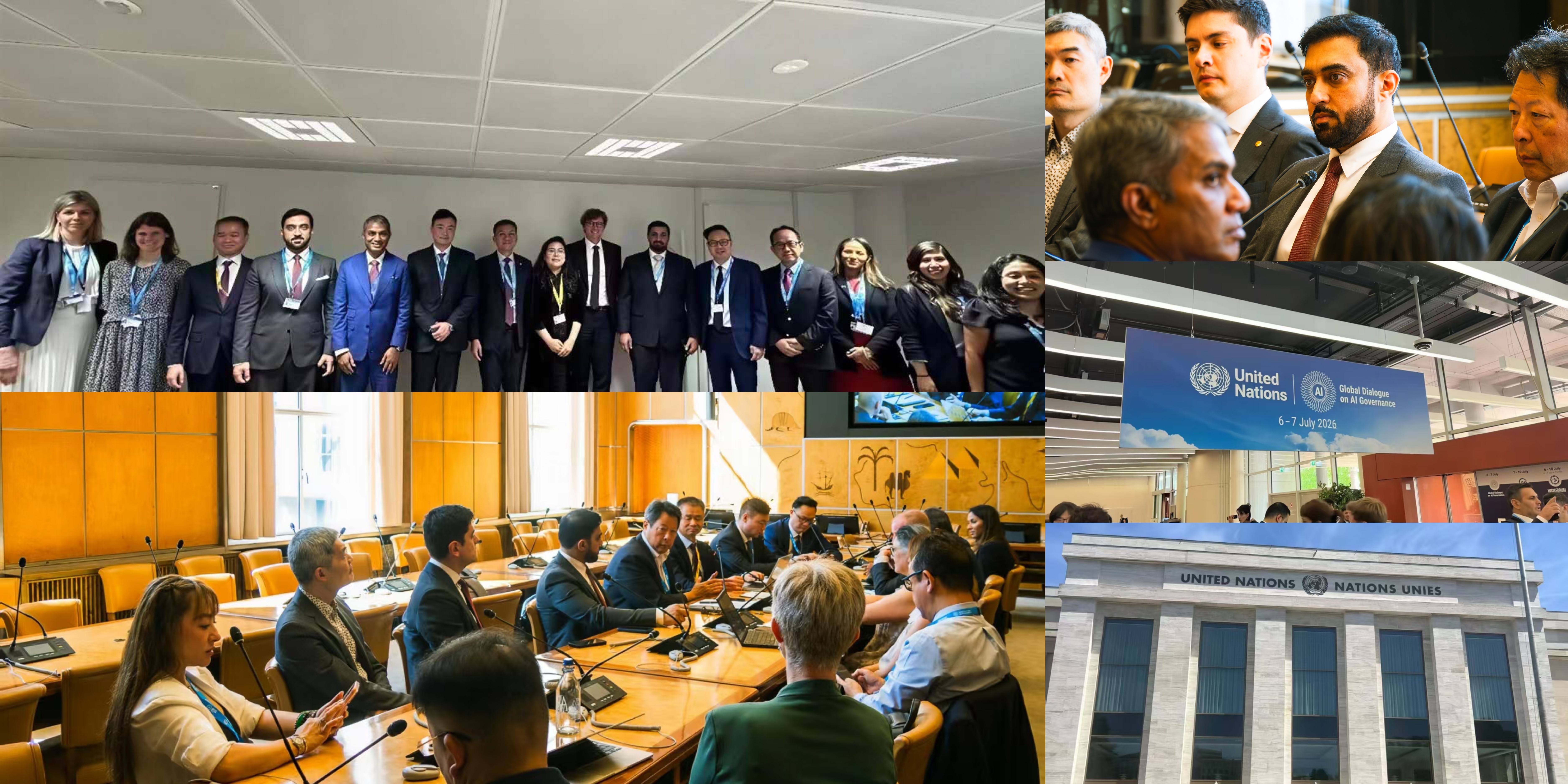
On the afternoon of 6 July, the event delegation held a closed-door meeting with Mr.Tomas Lamanauskas, Deputy Secretary-General of the ITU. Centred on WSIS+20digital standard development and the AI for Good global AI governanceframework, the two sides exchanged practical views on unified digital carbonmarket standards, cross-border MRV monitoring networks and supporting climatefinance action plans. They prioritised discussions on scaling inclusive AIclimate finance and green digital transition solutions to UN member states viaITU standards and WSIS multilateral networks.
Laterthe same day, the delegation visited the UN Palais des Nations for a thematicseminar with senior representatives of the United Nations Office at Geneva(UNOG). The dialogue focused on building trusted carbon offset systems for UNinstitutional operations and official travel, establishing four core criteriafor credible carbon offsets: climate integrity, complete MRV verification,inclusive development impact and public reputational integrity. Participantsconfirmed that verifiable real emission reductions form the fundamentalbaseline of credible carbon credits. Discussions covered five real-worlddelivery scenarios: carbon neutrality for UN operations, local municipalclimate action, high-quality carbon credit certification, zero-carbon commoditysupply chain transformation and digital asset trading for clean energy. Acomplete operational chain linking emission accounting, carbon offsetting anddigital traceability was mapped out, alongside three follow-up cooperationdirections: drafting a global unified standard document for trusted digitalcarbon offsets, piloting cross-sector green asset projects, and forming a jointmultilateral working group for long-term regular collaboration.
IV. Keynote Address at the AI for Good MainSummit: Launch of the GGVI Top-Level Initiative to Advocate an Equitable GreenDigital Economy
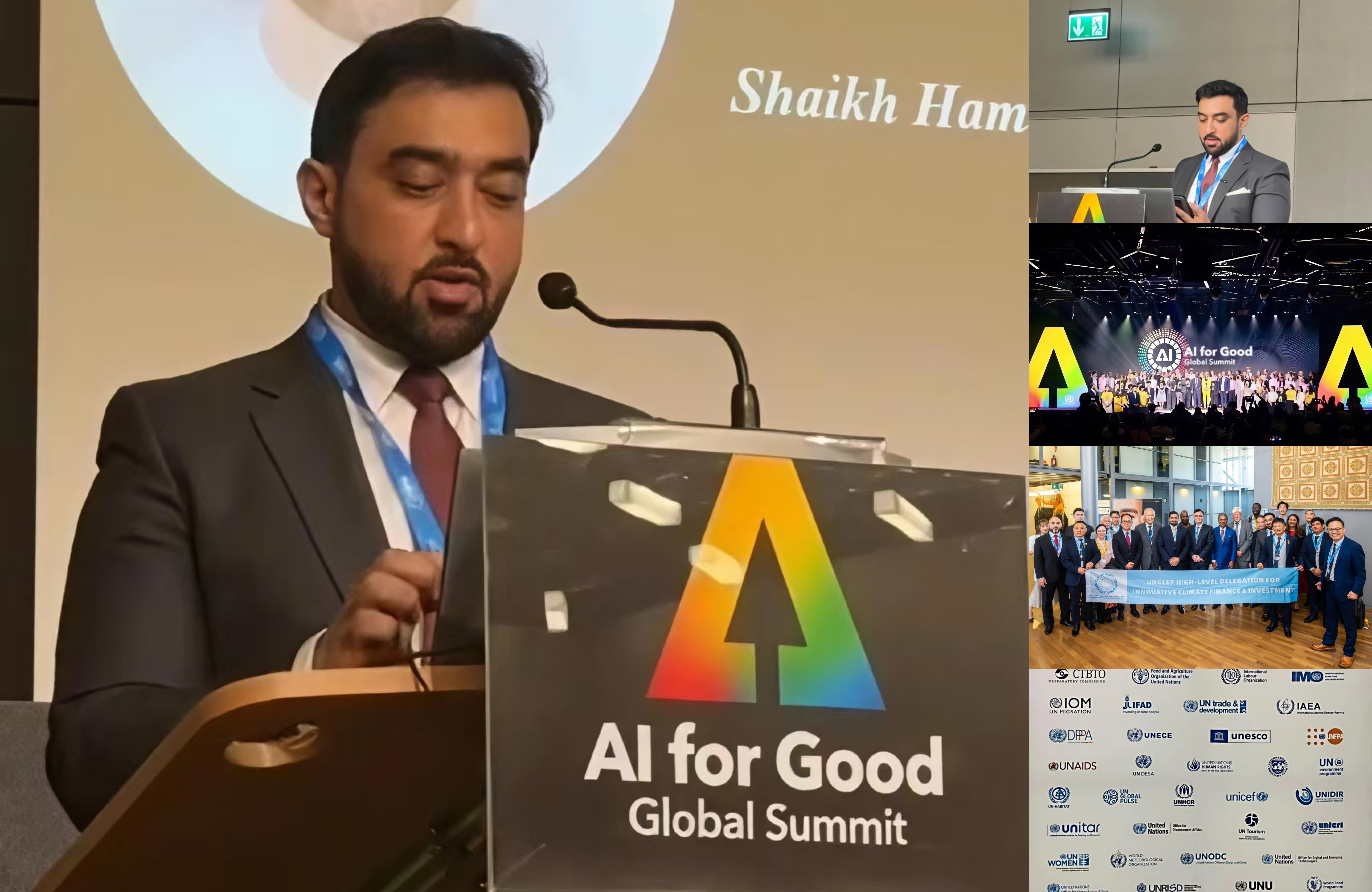
On the afternoon of 7 July, Mr. BrelJalal Ibrahim Fashah, Vice Chairman & CEO of Sheikh Hamad Group, delivereda keynote speech at the main forum of the AI for Good Global Summit,elaborating the synergistic relationship between artificial intelligence,low-carbon computing infrastructure and climate finance. He emphasised thatsustainable AI development relies on full-lifecycle carbon emission managementfor computing infrastructure; meanwhile, AI technologies power early warningsystems for extreme weather, optimised energy dispatch and full-value-chaincarbon footprint accounting, accelerating equitable low-carbon transitionworldwide.
The speech formally unveiled the top-levelGlobal Green Value Infrastructure (GGVI) Initiative, which calls for a globalunderlying green infrastructure connecting technology, capital, ecologicalvalue and trust to enable regulated, equitable, borderless circulation of greenassets. Two core delivery vehicles were highlighted: ClimateEX as an open,trusted global channel for climate value circulation, and Green Gold DigitalAssets (GGDA), backed by physical precious metals to anchor trust incross-border green finance.
The speech underscored the equitydimension of green transition: developing countries hold abundant greenecological resources including forests, renewable energy and mineral deposits,and have long delivered substantial contributions to global climate governance,meriting equal access to green transition benefits. Strategically positioned asa transport hub linking Asia, Europe and Africa, Dubai is well-placed todevelop a global trusted hub for zero-carbon commodities, digital carbonoffsets and climate digital assets. Partners will continuously refine the GGVIframework, upgrade trading platforms and digital asset infrastructure, buildlinkages between technology, sustainability, green value and inclusivedevelopment, and co-create an open, fair and sustainable global green digitaleconomic system.
V. Forward ImplementationRoadmap: Institutionalising Multilateral Outcomes for Sustained Delivery
Rootedin the UN’s top-level frameworks for digital governance and AI for Good, theGeneva series of events delivered high-level policy dialogue, permanentmultilateral cooperation bodies, green digital infrastructure launches andindustrial pilot projects. It advances global climate digitalisation from broadmultilateral consensus to actionable, replicable, low-debt industrial practice,offering a practical reference for the UN to accelerate SDG delivery throughdigital technology and build a balanced, inclusive new global climate financeorder.
Thejoint multilateral working group will advance four streams of regularimplementation work:
1. Compile the Global Unified Principles for Trusted DigitalCarbon Offsets, forming universal industry standards for governments,international organisations and industrial entities;
2. Issue standardised disclosure and quality verification checklistsfor green assets and zero-carbon commodity digital assets;
3. Launch cross-sector pilot projects covering green precious metaldigital assets, clean energy digital assets, biochar carbon credits, localurban/rural carbon offset schemes and institutional carbon neutrality;
4. Establish a permanent joint working group comprising UN agencies,UAE partner institutions and climate finance specialists to ensure regular,standardised operation of the WCFDAC multilateral mechanism and sustainprogress toward equitable global low-carbon transition.